

Drainage Channels
Slot Drains
Industrial Floor Drains
Floor Drains
Linear Shower Drains
Stainless Steel Covers and Grates
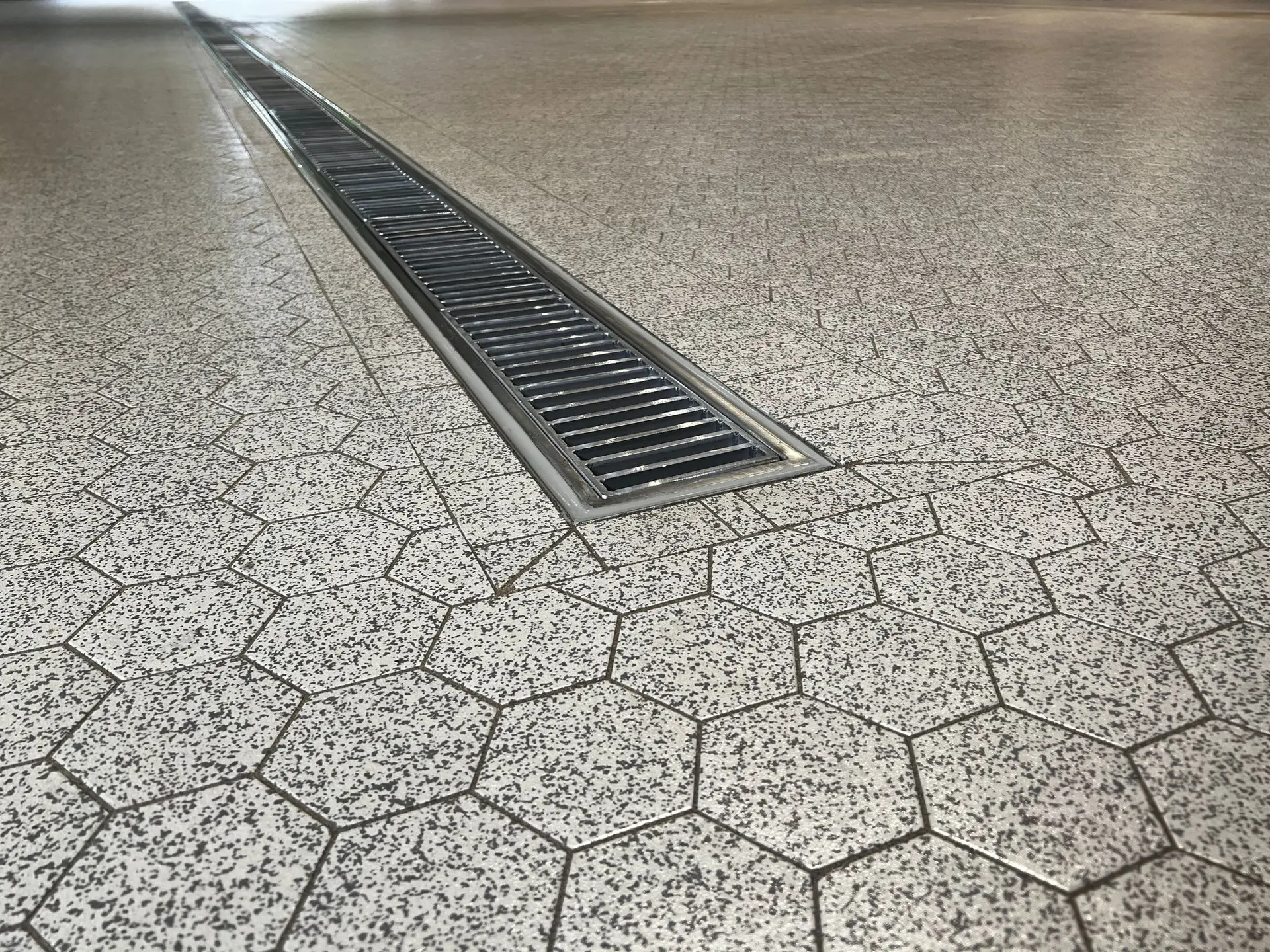
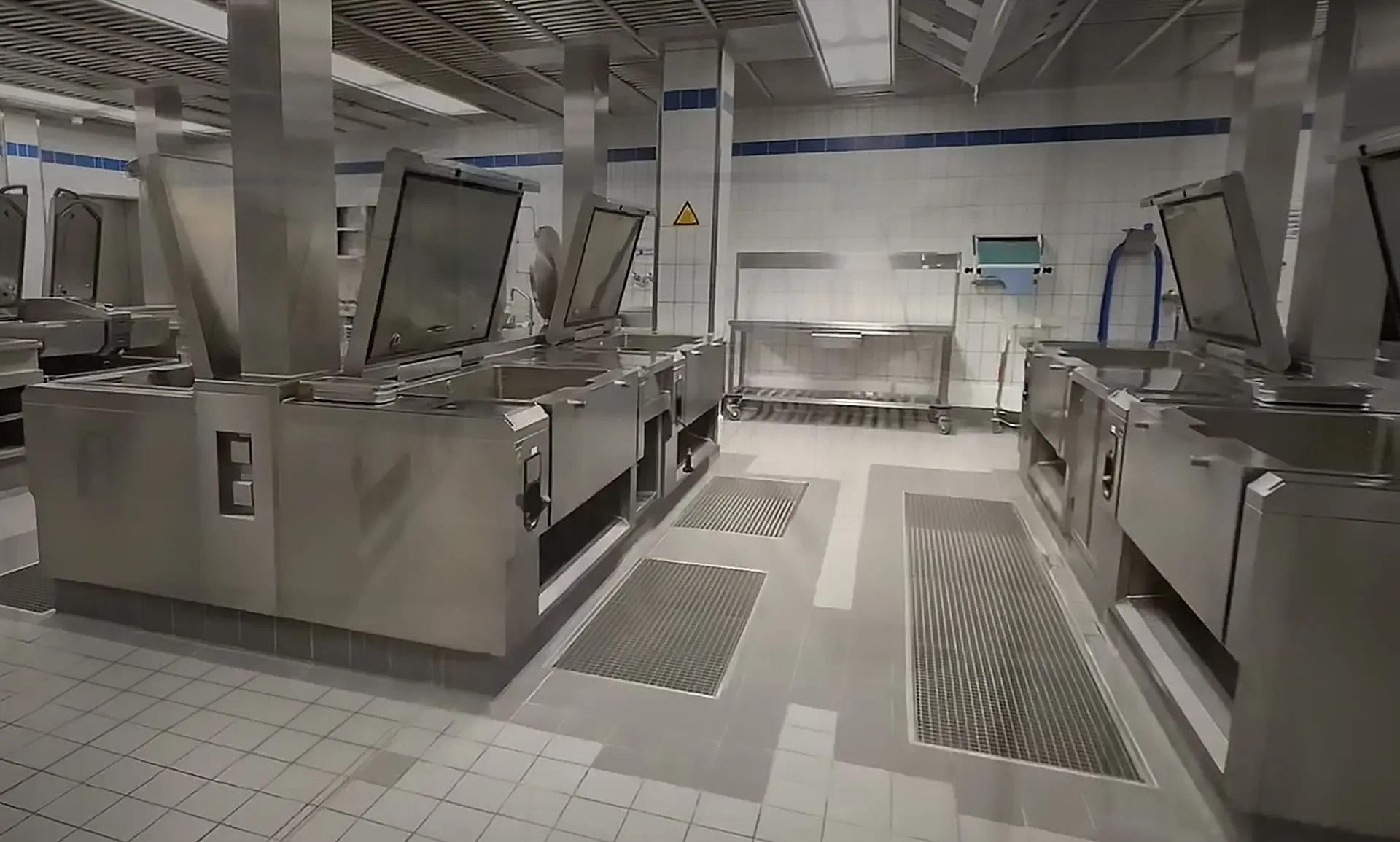
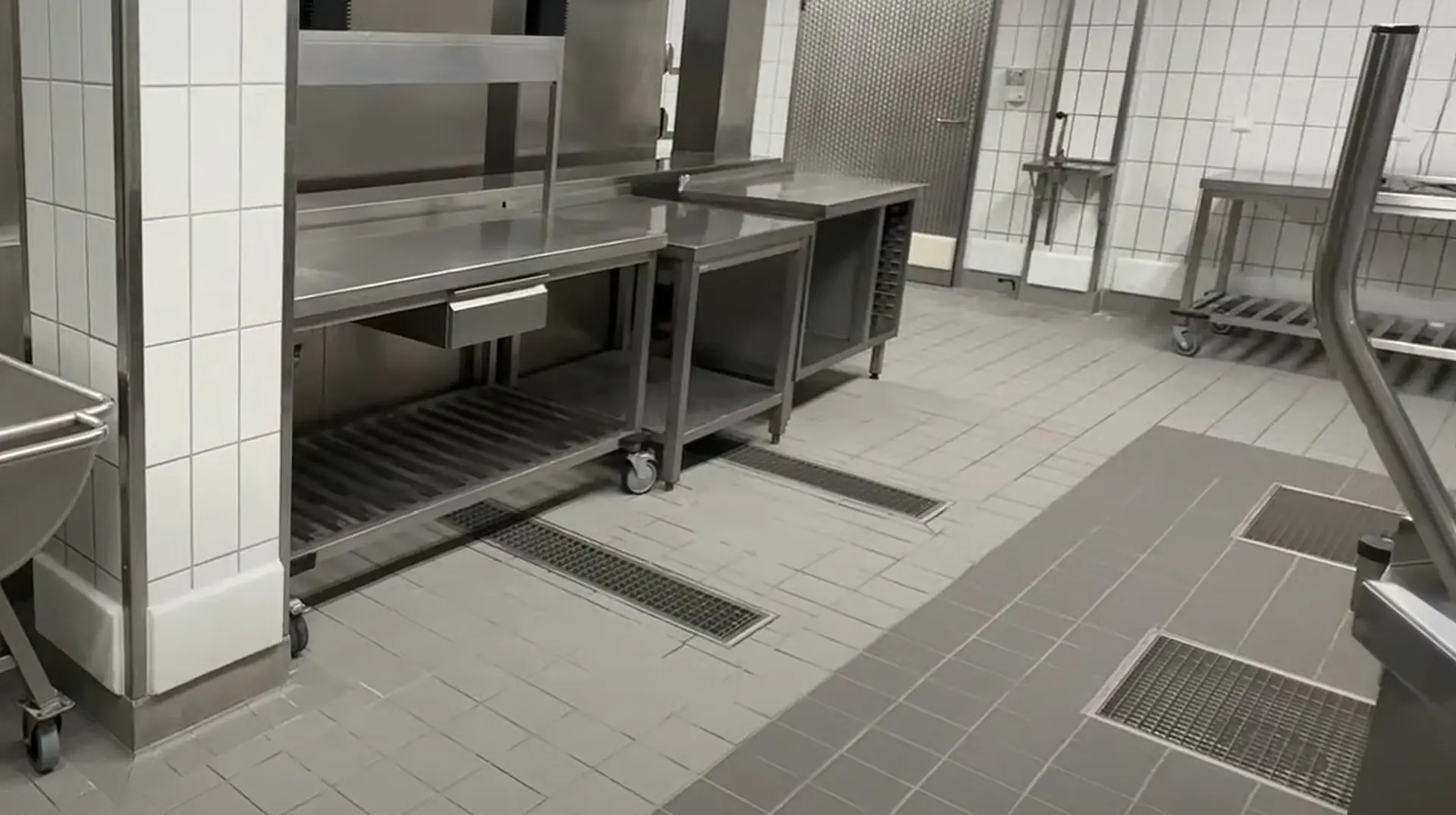
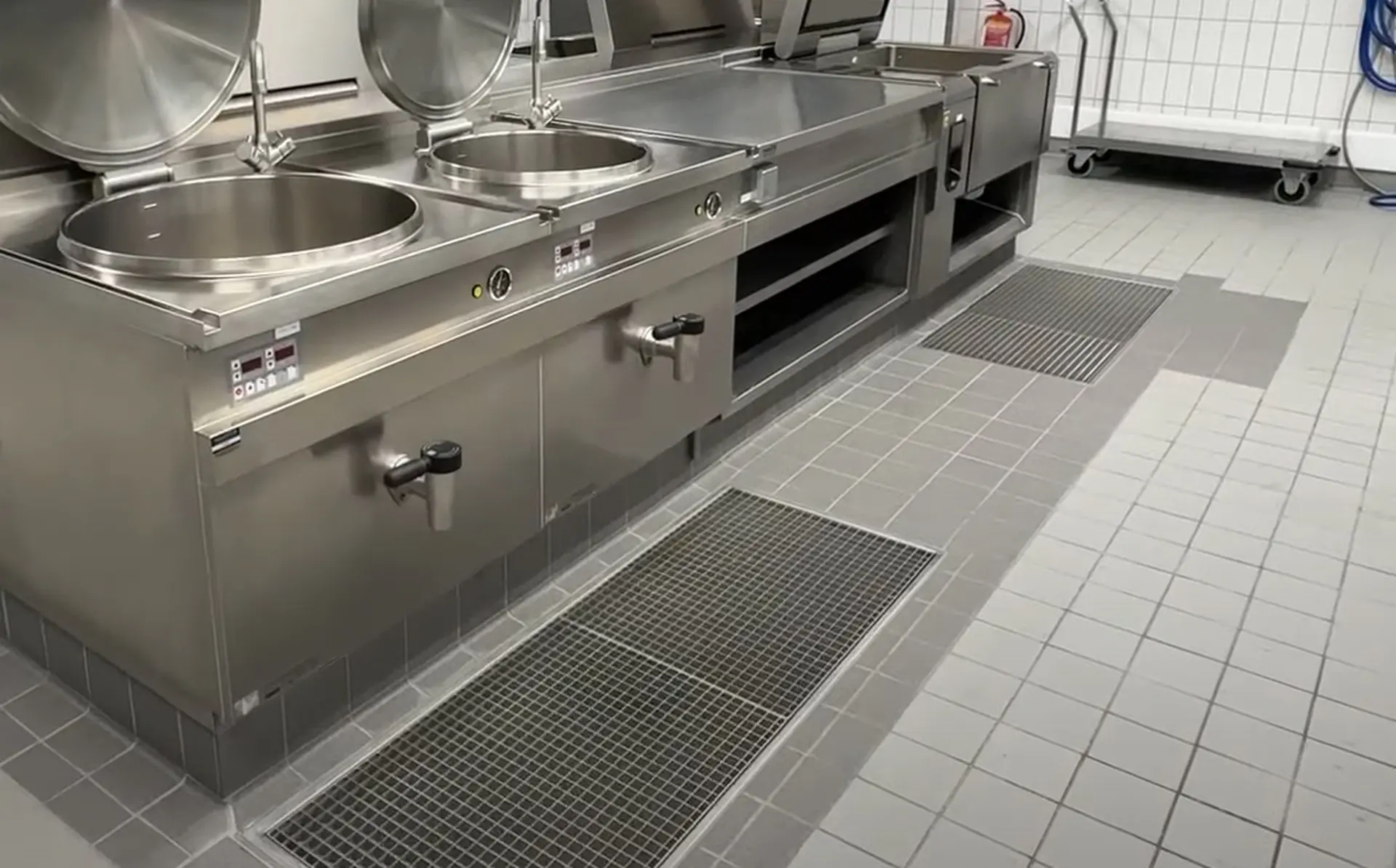
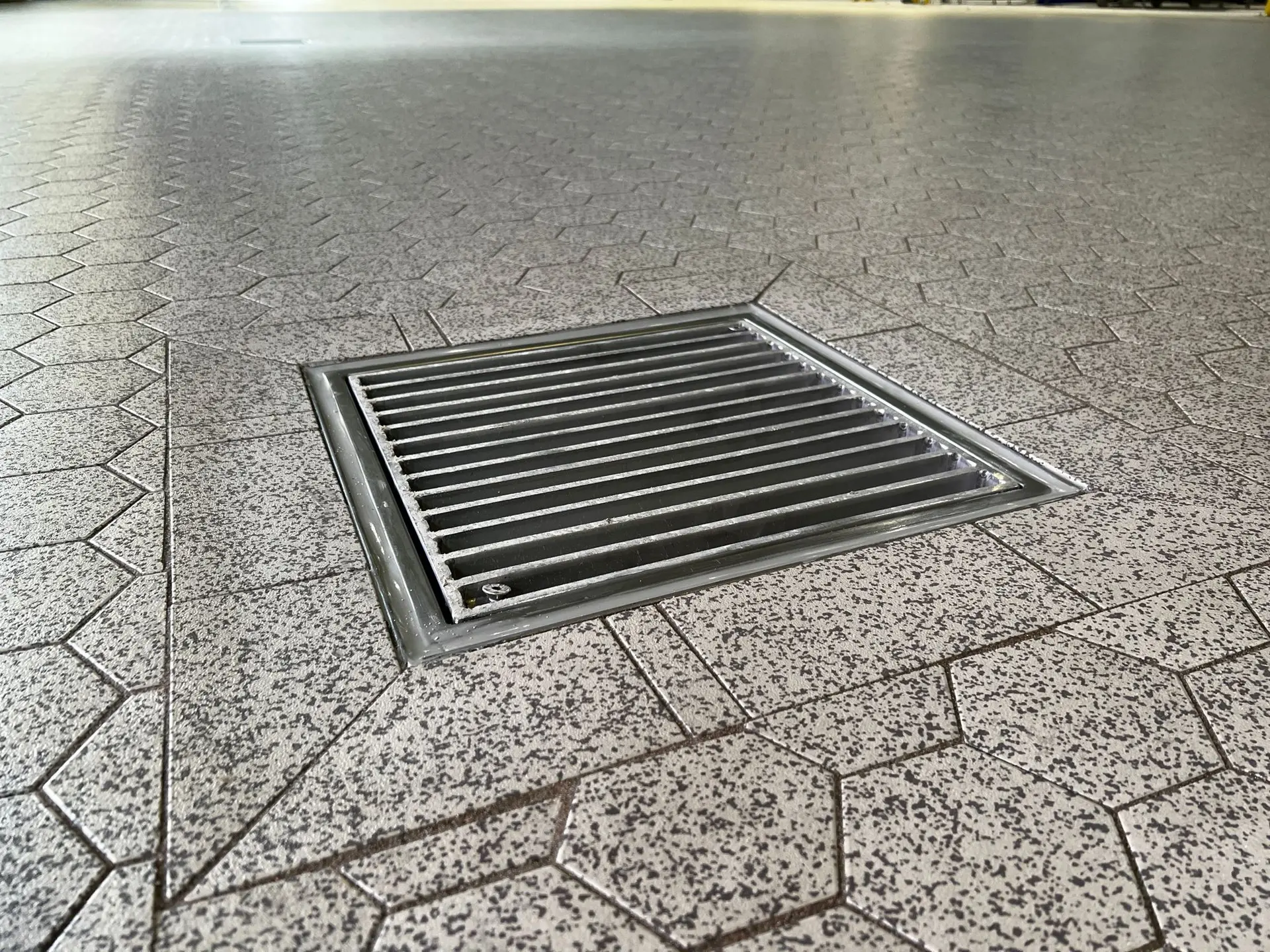
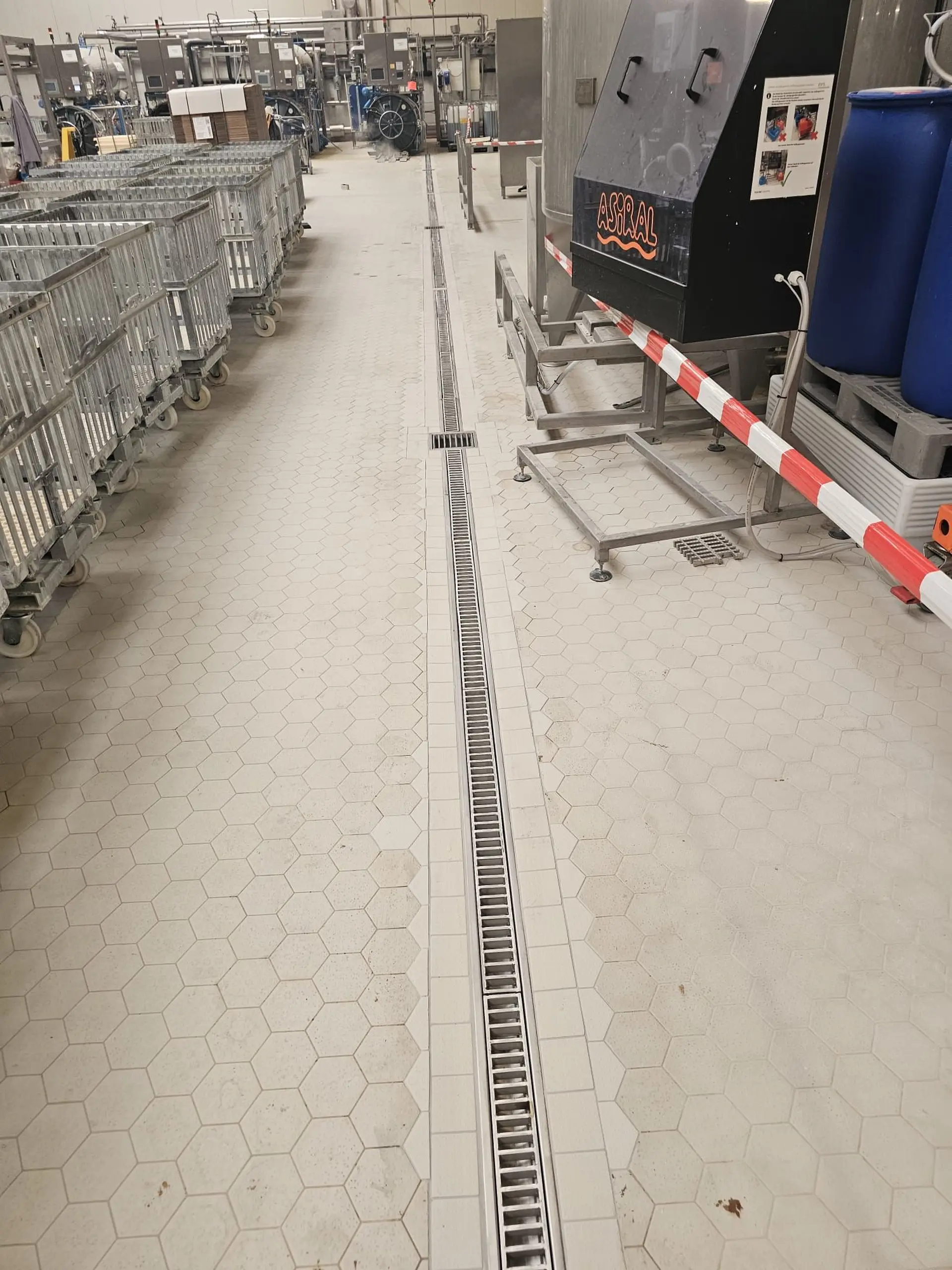
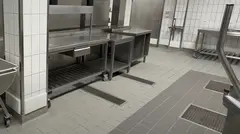
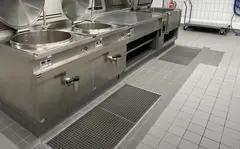
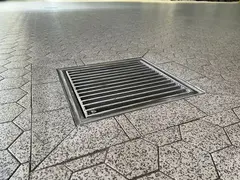
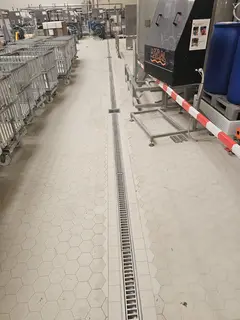
Durable ceramic tile floors (rectangular and hexagonal) provide abrasion resistance, aesthetics and HACCP compliance in production plants and industrial kitchens. Rectangular tiles enable precise slopes, while hexagonal tiles offer grip and adaptation to irregular surfaces. V2A/V4A stainless steel drainage systems ensure effective water removal, hygiene and corrosion resistance.
Industrial ceramic tiles feature:
These properties make them ideal for production plants, food processing facilities, breweries, dairies and laboratories.
Industrial floors made of ceramic tiles combine exceptional durability, high abrasion resistance and aesthetic appearance. In production plants, processing facilities, breweries and industrial kitchens – where floors face intensive daily use – material reliability is critical. Two formats are especially popular: rectangular and hexagonal tiles. Both deliver excellent performance and enable functional, HACCP-compliant spaces. Ceramic tiles perfectly complement industrial drainage and stainless steel floor drain systems.
Our stainless steel industrial drains – grates, channels and floor drains – are designed to integrate seamlessly with ceramic industrial flooring. Proper selection of drain edges, height and installation ensures:
Rectangular ceramic tiles excel in large areas where fast installation is needed. Their regular shape allows precise slopes for effective water and liquid removal. Hexagonal tiles, thanks to their six-sided shape, provide superior grip, aesthetics and adaptation to uneven or irregular surfaces.
An integral part of every professional industrial floor is suitable linear and point stainless steel drainage. These systems ensure effective water removal, reduce slip risk and prevent liquid pooling. Made of V2A or V4A stainless steel, the drains offer high corrosion resistance, withstand aggressive chemicals and extreme temperatures, and are easy to clean – essential in industries with strict hygiene requirements.
Combining ceramic tiles with professional B&K GROUP stainless steel drainage systems guarantees durability, safety and easy maintenance – key elements in any modern industrial facility.
Class I-V according to PN-EN ISO 10545. Class V (highest) withstands forklift traffic and heavy machinery – standard in production halls.
Yes – we offer acid-resistant, anti-slip (R10-R12) and low-porosity tiles meeting HACCP and FDA standards for food and pharmaceutical facilities.
Standard 12-20 mm. For intensive forklift traffic we recommend 18-20 mm; for typical production halls 12-15 mm is sufficient.
Yes – we supply chemically resistant epoxy grout, stainless steel expansion profiles and cove bases (all HACCP compliant).
Typically 5-10 days for a standard hall (300-1000 m²). Duration depends on substrate condition, need for levelling screed and curing time.